Peripheral vision lets you see things outside of your direct line of sight—everything to the sides, above, and below your central view. It’s a key part of daily life, helping you drive safely, play sports, and navigate busy spaces. When peripheral vision is reduced or lost, it can affect your safety and overall quality of life.
In this blog, we’ll cover what peripheral vision loss is, the most common causes, and steps you can take to protect your side vision.
What is peripheral vision loss?
Peripheral vision loss occurs when your side vision becomes weaker or disappears completely. This change can happen suddenly or gradually, and the extent varies from person to person. Some may only notice a slight narrowing of their visual field, while others could lose peripheral vision entirely.
Common causes of peripheral vision loss
Several factors can cause peripheral vision loss. Some of the most common causes include:
- Glaucoma: Glaucoma is an eye condition that can cause damage to the optic nerve, resulting in peripheral vision loss.
- Retinitis pigmentosa: This is a genetic disorder that causes the breakdown and loss of cells in the retina, leading to peripheral vision loss.
- Traumatic brain injury: A head injury can damage the optic nerve or other parts of the brain, resulting in vision loss.
- Stroke: A stroke can affect the brain’s ability to process visual information, leading to vision loss.
Risk factors for peripheral vision loss
It is possible to develop peripheral vision loss due to various risk factors. These factors include:
Age
As people age, their risk of developing eye diseases that cause vision loss, such as glaucoma and macular degeneration, increases.
Family history
Having a family history of eye conditions that cause vision loss can increase an individual’s risk of losing peripheral vision.
Diabetes
Diabetics are at a higher risk of developing eye conditions that can lead to peripheral vision loss. Diabetic eye disease requires professional care to prevent permanent vision loss.
Why regular eye exams are important
Regular comprehensive eye exams are crucial for spotting peripheral vision loss and other eye conditions early. Catching these issues early can help prevent or slow down further vision loss.
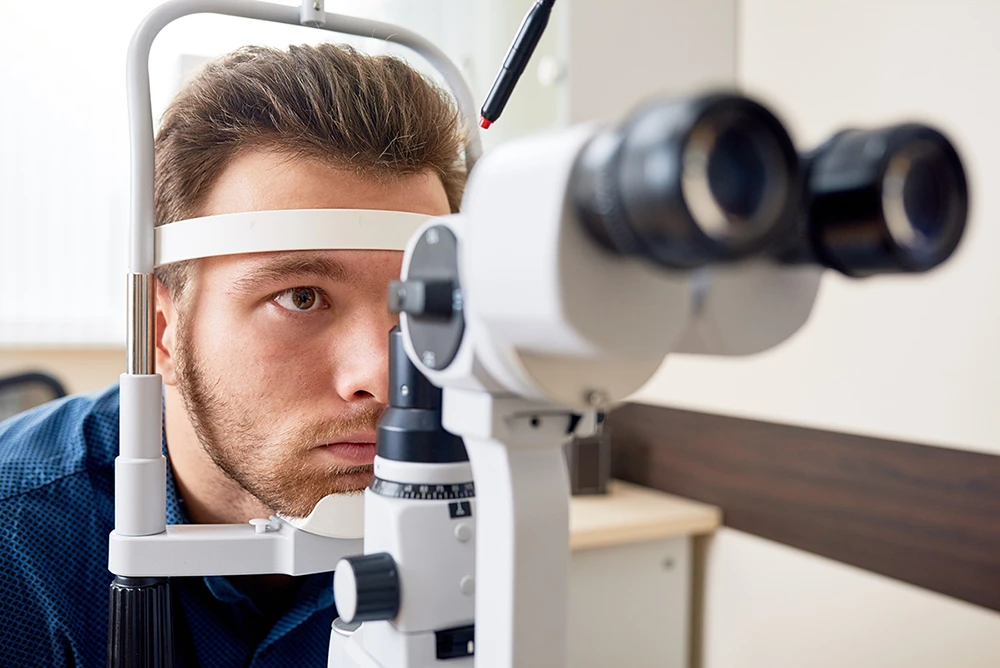
During an eye exam, our eye doctor can perform various tests to assess your peripheral vision and eye health. If they detect any issues, they’ll create a personalized treatment plan to avoid further damage.
If you experience any changes in your peripheral vision, it’s essential to schedule an eye exam with your eye doctor immediately. Don’t wait until it’s too late—schedule your eye exam at our office in Blue Island, IL, today!