High blood pressure doesn’t always announce itself with dramatic warning signs. That’s why a comprehensive eye exam can be such an important part of protecting both your eyesight and your overall health. Your eyes contain tiny, delicate blood vessels that can reflect what’s happening in the rest of your body, and elevated blood pressure can put those vessels under real strain over time.
If you’ve ever brushed off occasional blur, eye strain, or headaches as “just getting older,” it’s worth learning how blood pressure can quietly affect what you see.
Why your eyes are sensitive to blood pressure changes
Your retina (the light-sensing tissue in the back of the eye) needs steady, healthy blood flow to work well. When blood pressure stays high, blood vessels can narrow, stiffen, or leak. Over time, that can reduce oxygen and nutrient delivery to important eye structures¹.
Even short-term spikes in blood pressure can sometimes cause noticeable visual changes, especially if you’re already managing hypertension, diabetes, high cholesterol, or smoking-related vascular issues.
What high blood pressure can do to vision
Blood pressure-related eye problems often fall under “hypertensive retinopathy,” but the effects can show up in several ways. Some changes are subtle at first; others can feel sudden and scary.
Here are a few ways high blood pressure may affect your eyes and vision:
- Blurry or fluctuating vision, especially if blood flow to the retina is reduced
- Light sensitivity or visual discomfort
- Headaches with visual changes (sometimes from pressure-related strain)
- Retinal vein or artery occlusion (a “blocked vessel” in the eye that can cause sudden vision loss)
- Optic nerve swelling in severe cases (which can affect peripheral and central vision)
These issues can overlap with other conditions, so it helps to get guidance from an experienced eye doctor who can pinpoint what’s going on.
Symptoms you shouldn’t ignore
Certain symptoms deserve prompt attention because they can signal blood vessel stress, leakage, or reduced circulation in the eye.
Consider scheduling an exam soon if you notice:
- New or worsening blurry vision
- Sudden vision loss in one eye or part of your vision
- New floaters or flashes of light
- A dark “curtain” or shadow in your vision
- Persistent eye discomfort plus headaches
- Vision that changes noticeably from day to day
Even if symptoms come and go, they still count. Intermittent changes can be a clue that blood flow is fluctuating.
An eye exam can reveal blood pressure-related changes
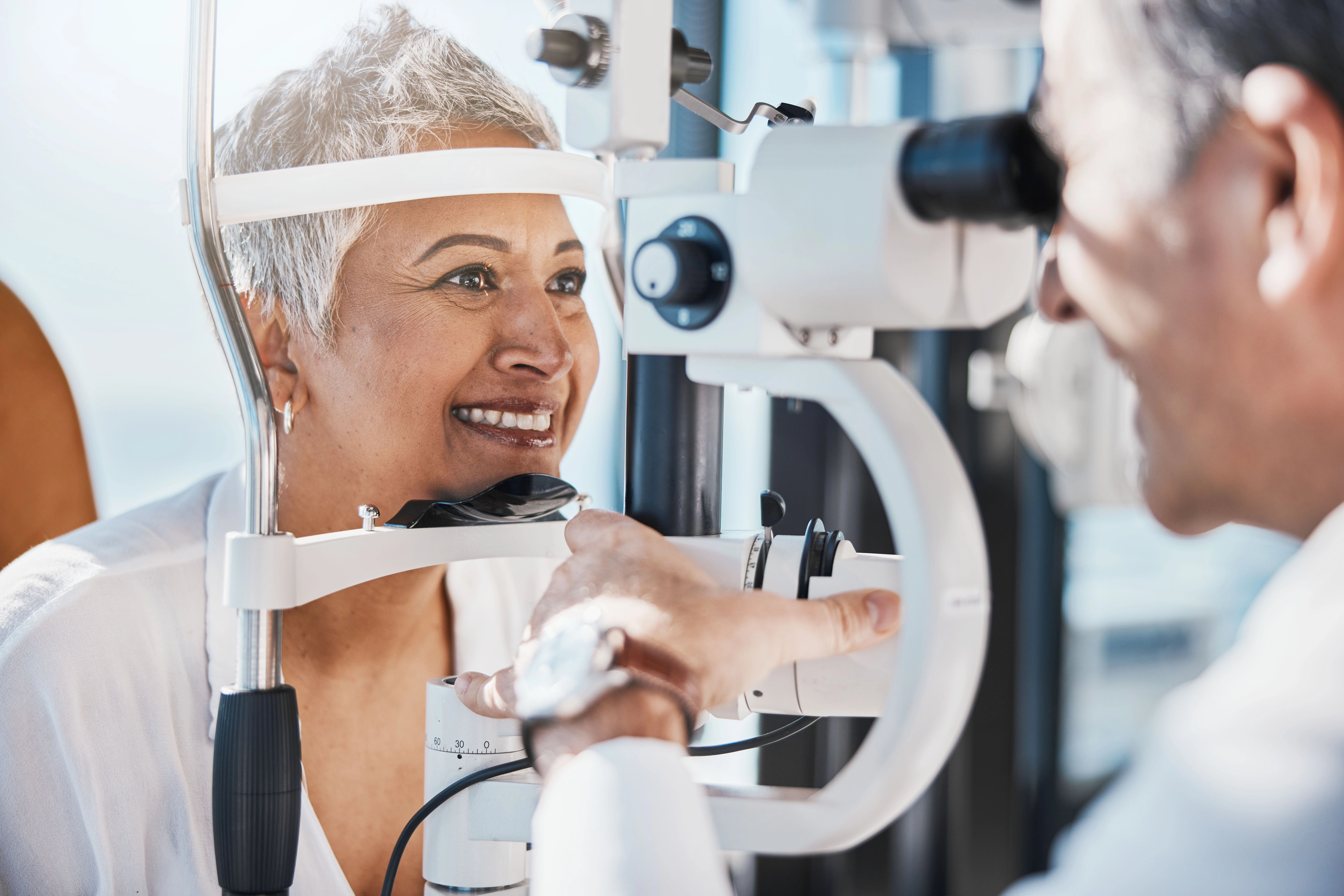
Your eyes offer a rare window into blood vessels without surgery or needles. During a comprehensive visit, your eye doctor may look for signs like vessel narrowing, small retinal hemorrhages, swelling, or other changes that suggest hypertension is affecting circulation.
Depending on your needs, your exam may include:
- Retinal evaluation to assess blood vessel health
- Digital imaging to document changes over time
- Measurements that help rule out related concerns (like swelling or pressure issues)
Clearer vision starts with proactive care
Vision changes can feel personal. They affect your driving, reading, working, and leisure time. If you have high blood pressure, scheduling a comprehensive eye exam is a practical way to keep tabs on eye health and catch concerns early. Book an appointment with an experienced eye doctor at Vision Salon Eye Care Associates in Blue Island to protect your sight now and in the future.