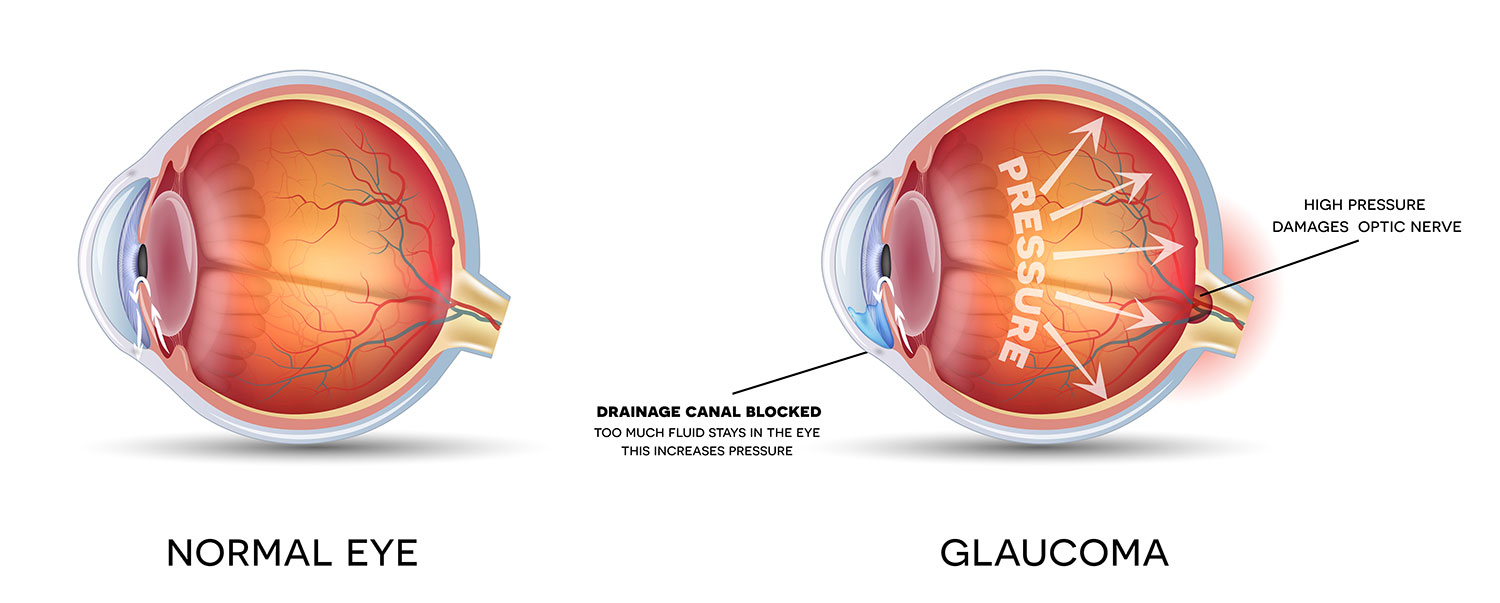
Glaucoma is not just one eye disease, but a group of eye conditions that cause optic nerve damage, leading to vision loss. Abnormally high eye pressure (intraocular pressure) usually causes this damage, but glaucoma can occur even when pressure is normal.
Glaucoma is the second leading cause of blindness worldwide.¹ Keep reading to learn more about this eye condition and why early glaucoma treatment is essential for protecting your vision.
Symptoms of glaucoma
In the early stages, glaucoma often develops without noticeable symptoms. Sometimes called the silent thief of sight, glaucoma can damage your vision so gradually that you may not notice any vision loss until the disease is at an advanced stage.
As the condition progresses, symptoms may begin to appear and can vary depending on the type and severity of glaucoma. Common symptoms may include:
-
Gradual loss of peripheral (side) vision
-
Blurred or hazy vision
-
Halos or rainbow-colored rings around lights
-
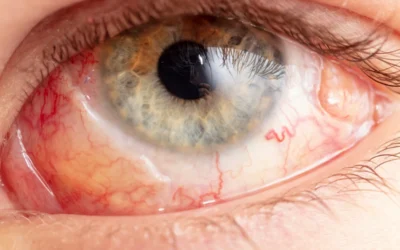
Eye pain or pressure
-
Headaches
-
Sudden loss of vision (in acute cases)
Because vision loss from glaucoma cannot be restored, recognizing the warning signs and detecting it early through comprehensive eye exams is essential for protecting your long-term vision.
Top causes of glaucoma
The exact cause of glaucoma remains unknown, but many factors have been linked to its development, including:
- Age
- Family history
- Race (African Americans are more likely to develop glaucoma)
- Nearsightedness or farsightedness
- Poor blood circulation in the eyes
- Past eye injuries or surgery
- Certain medications, such as corticosteroids
In addition, high intraocular pressure (IOP) can be a risk factor for developing glaucoma. High IOP occurs when pressure builds up inside your eyeball due to excessive fluid production or inadequate drainage from your eye’s drainage angle system. If left untreated for too long, high IOP can lead to permanent vision loss caused by damage to your optic nerve.
Treatment for glaucoma
There are several treatments available for glaucoma patients depending on their individual needs. These include laser treatments or prescription medications such as eye drops or pills.
In more advanced cases, you may need surgery, such as trabeculectomy or tube shunt implantation, if medication alone isn’t sufficient to lower IOP levels. Your optometrist can recommend the most appropriate treatment option for your particular case.
The importance of eye exams
If you suspect that you may be at risk for developing glaucoma, you should get checked out by an eye doctor immediately. It’s important to get your eyes examined regularly and make sure your eye doctor measures your intraocular pressure.
Early diagnosis and treatment can minimize or prevent optic nerve damage and limit glaucoma-related vision loss. Our eye care professionals can diagnose and treat your condition before any permanent vision loss occurs, so don’t delay in seeking medical attention!
Schedule an appointment at Vision Salon Eye Care Associates to find the best solutions to protect your eyesight.
References: