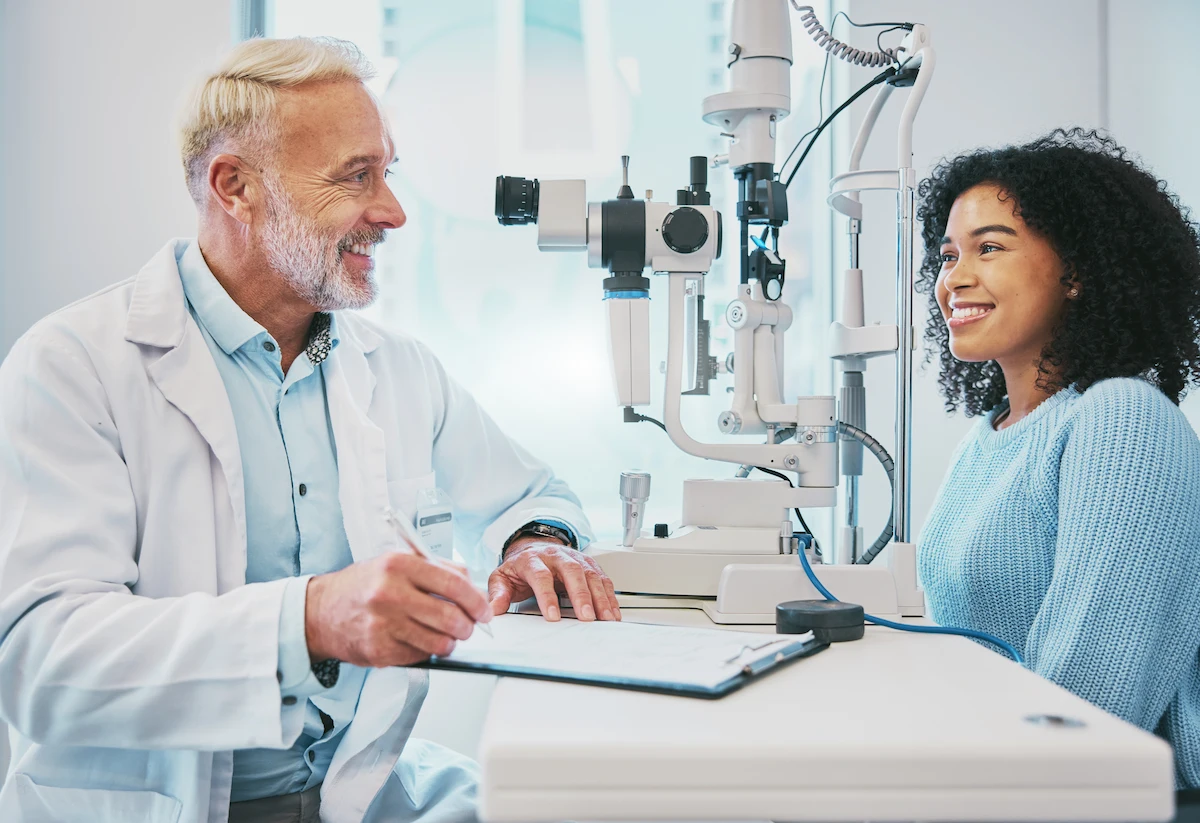
It is easy to put off an eye exam when you can still see “well enough.” But changes in vision can be gradual, and some eye diseases develop without early symptoms. A comprehensive eye exam looks beyond your prescription to evaluate your overall eye health.
Here are five signs it may be time to schedule your next visit.
1. Your vision seems blurry or less clear
If road signs, TV screens, faces, or reading material no longer look as sharp as they used to, your prescription may have changed. Blurry vision can be related to nearsightedness, farsightedness, astigmatism, dry eye, or another eye health concern.
Adults over 40 may also notice that close-up tasks become more difficult. This common age-related change, called presbyopia, can make you hold books and phones farther away to see clearly.
2. You are squinting or getting more headaches
Squinting may temporarily make an image look clearer, but it can also signal that your eyes are working harder than they should. Frequent headaches, eye fatigue after computer use, or difficulty focusing can be signs that you need an updated prescription or a closer look at your visual system.
An eye exam can help identify whether vision correction, eye strain, or another concern is contributing to your symptoms.
3. Night driving feels more difficult
Do headlights seem brighter than usual? Are glare, halos, or reduced contrast making it harder to drive after dark? Changes in night vision can happen for several reasons, including an outdated prescription, dry eye, cataracts, or other eye conditions.
Mention these symptoms during your appointment, even if your daytime vision seems fine. Clear, comfortable vision matters at every hour of the day.
4. Your eyes feel dry, gritty, or irritated
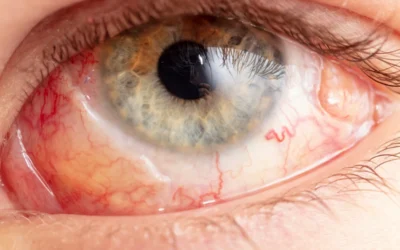
Occasional dryness can happen, especially after long periods of screen use or time in dry environments. However, persistent burning, redness, watering, grittiness, or fluctuating vision may point to dry eye syndrome.
Dry eye care can help identify what is causing your symptoms and provide treatment options tailored to your needs. You do not have to simply live with uncomfortable eyes.
5. You have not had an eye exam in a year or you have health risks
Even without noticeable vision changes, routine exams are important. Conditions such as glaucoma, diabetic retinopathy, and macular degeneration may affect eye health before you notice a change in sight.
You may need more frequent exams if you have diabetes, high blood pressure, a family history of eye disease, or a previous eye condition. Ongoing eye disease diagnosis and management can help detect changes early and protect your long-term vision.
Sudden flashes of light, a new shower of floaters, a dark curtain in your vision, eye pain, or sudden vision loss are not routine exam symptoms. Seek prompt emergency eye care right away.
Keep your vision on track
Regular eye exams help you see clearly today while protecting your eye health for the future. If it has been a year since your last visit — or any of these signs sound familiar — schedule an eye exam with us today.