Aging can bring gradual changes to your vision, from needing brighter light to read to having more difficulty seeing at night. While some changes are common, many eye conditions become more likely with age and may not cause noticeable symptoms at first. Protecting your eyesight starts with healthy daily habits and a comprehensive eye exam that evaluates both your vision and eye health.
Prioritize routine eye exams
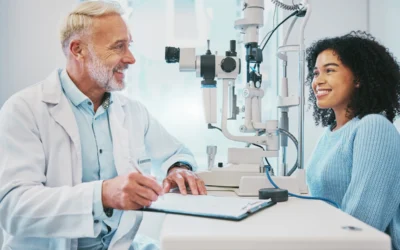
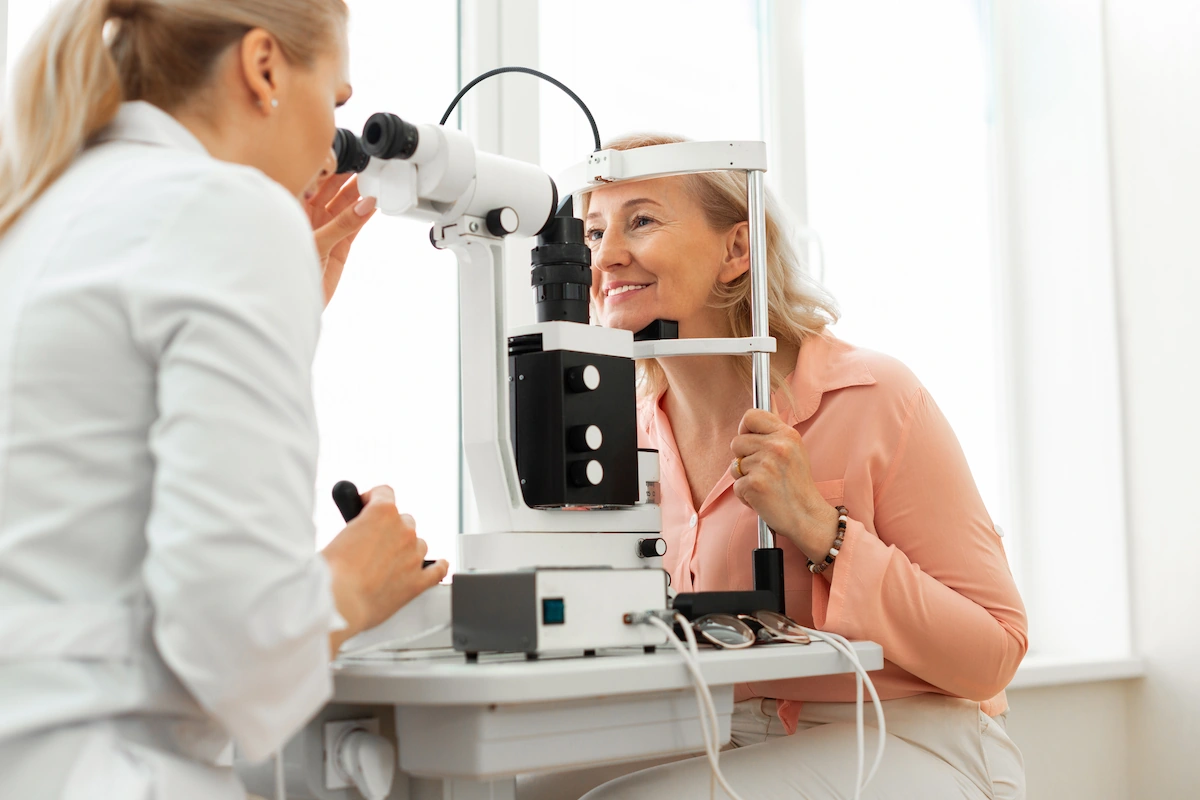
Regular eye exams are one of the most important ways to protect your eyes as you age. Your prescription is only one part of the visit. An eye exam can also help detect early signs of eye disease, including glaucoma, cataracts, age-related macular degeneration, and diabetic retinopathy.
Many conditions can develop quietly. For example, glaucoma can damage the optic nerve before noticeable vision changes occur. Early glaucoma diagnosis and co-management can help slow progression and protect the vision you still have.
Your eye doctor may recommend annual exams or more frequent visits based on your health history, medications, family history, and current eye health.
Support eye health with everyday habits
Small choices can support your eyes and overall wellness over time. Consider these practical steps:
- Wear sunglasses that block 100% of UVA and UVB rays outdoors.
- Eat a balanced diet with leafy greens, colorful fruits and vegetables, fish, and other nutrient-rich foods.
- Avoid smoking, which can increase the risk of several serious eye conditions.
- Manage health conditions such as diabetes and high blood pressure with your healthcare team.
- Use protective eyewear for home projects, sports, and work activities that could cause eye injury.
- Take regular breaks from close-up work and screens to help reduce digital eye strain.
These habits cannot prevent every condition, but they can help reduce avoidable risks and encourage better long-term eye health.
Know which vision changes need attention
Do not assume every vision change is simply part of getting older. Schedule an eye exam if you notice persistent blurry vision, glare or halos around lights, difficulty with night driving, frequent prescription changes, or trouble reading even with your glasses.
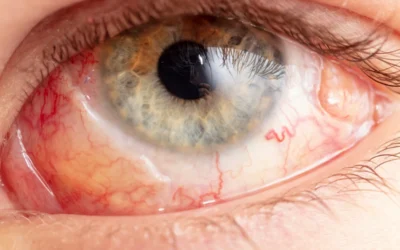
Seek prompt care for sudden symptoms, including a curtain or shadow in your vision, flashes of light, a sudden increase in floaters, eye pain, or abrupt vision loss. These signs can indicate a serious eye concern that needs timely evaluation.
Understand your personal risk factors
Your risk for eye disease can be influenced by more than age. A family history of glaucoma, macular degeneration, or other eye conditions is important to share with your eye doctor. Diabetes, high blood pressure, autoimmune conditions, and certain medications can also affect the eyes.
We provide eye disease diagnosis and management for conditions that may threaten vision over time. Identifying a problem early gives your care team more opportunities to monitor changes, recommend treatment, or coordinate care with an ophthalmologist when needed.
Protect your vision for the years ahead
Aging does not mean losing control of your eye health. With regular exams, attention to new symptoms, and everyday habits that support your wellness, you can take meaningful steps to preserve your vision. Schedule an eye exam to keep your eyes and vision on track.