When your child is nearsighted, glasses can make distant vision clearer — but they do not slow the progression of myopia. MiSight® 1 day contact lenses and ortho-k are two myopia management options designed to correct vision while helping manage myopia progression. Neither is automatically “better.” The right choice depends on your child’s eyes, routine, and readiness for contact lens wear.
When will your child wear the lenses?
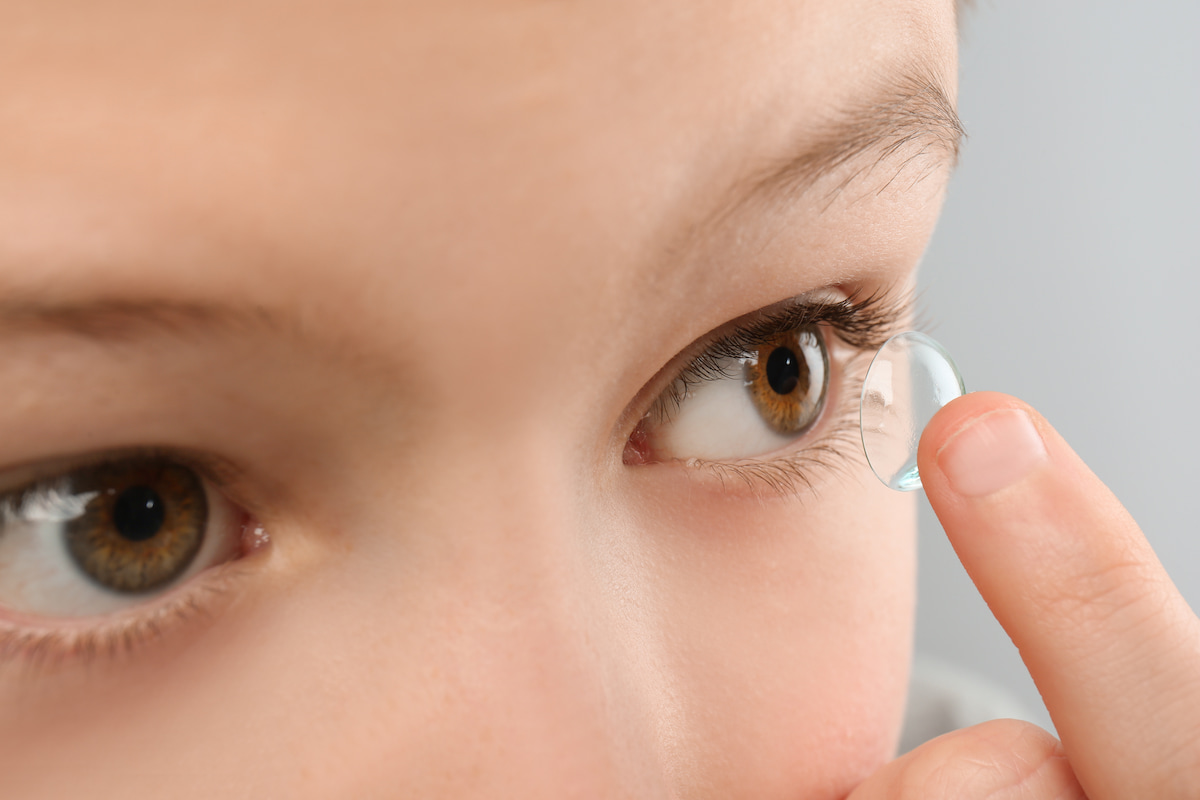
MiSight 1 day lenses are soft, daily disposable contacts worn during the day and removed before bed. Your child starts each morning with a fresh pair and throws it away after use. They provide clear vision for school, sports, and other daytime activities.
Ortho-k lenses are custom-designed rigid lenses worn overnight. While your child sleeps, the lenses gently reshape the front surface of the eye. After removing them in the morning, many children can see clearly during the day without glasses or daytime contacts.
For a child who wants glasses-free daytime vision, especially for sports or active play, ortho-k may be appealing. For a child comfortable putting in and removing a soft lens each day, MiSight may better suit the family’s routine.
How do daily care needs differ?
MiSight lenses offer a straightforward system: insert a new lens, remove it at night, and discard it. There is no lens case or overnight cleaning routine, though careful handwashing and contact lens hygiene still matter.
Ortho-k requires more daily care. Because the lenses are reused, your child and caregiver need to follow prescribed cleaning, disinfection, storage, and replacement instructions. Ortho-k also requires consistent overnight wear and scheduled follow-up visits to monitor fit and eye health.
A child does not need to handle every step independently, but a parent should be ready to help establish the routine — especially at the beginning.
What does FDA approval for MiSight mean?
MiSight 1 day is FDA-approved to slow myopia progression in children who begin treatment between ages 8 and 12 and meet the lens’s labeled fitting criteria.¹ This means the FDA reviewed clinical data supporting its safety and effectiveness for that specific use. It does not mean MiSight is the best choice for every child.
Your child’s eye doctor will still assess whether they are a good candidate based on their prescription, eye health, ability to wear contacts safely, and myopia progression.
What will the doctor evaluate?
Your child’s recommendation will be based on more than age or preference. Their eye doctor may consider:
- How quickly their prescription has changed
- Their current level of myopia
- Corneal shape and overall eye health
- Their age, maturity, and comfort handling lenses
- Sports, swimming, school, and screen-time routines
- Whether the family can consistently support lens care and follow-up
Ortho-k requires custom corneal measurements and fitting, while MiSight follows a daily-wear soft contact lens routine.
Can a child use both?
MiSight and ortho-k are generally not worn at the same time as a combined treatment. Each corrects vision and manages myopia in a different way. However, a child may switch from one option to the other if their needs, lifestyle, or comfort level changes.
Both MiSight and ortho-k can be valuable myopia-management tools. Schedule an appointment to create a personalized plan for your child’s vision.
Reference: